Passing up the hillside through a little plantation at the back of the restaurant, we soon came to the military station of specially selected soldiers, who have the care of the ruins and at the same time act as guides to the visitors. Fortunately, we chanced upon a very intelligent and obliging fellow, who spoke English fluently--a sergeant, who, without being loquacious, was sufficiently communicative to make an agreeable companion and cicerone.
Paying an entrance-fee of two lire each, we passed through the turnstile, and were soon quite absorbed in the ruins around us. The Italian Government, bearing all the expense of disentombing Pompeii, probably look to recoup themselves by the entrance-fees of the numerous visitors who flock to see the long-buried city.
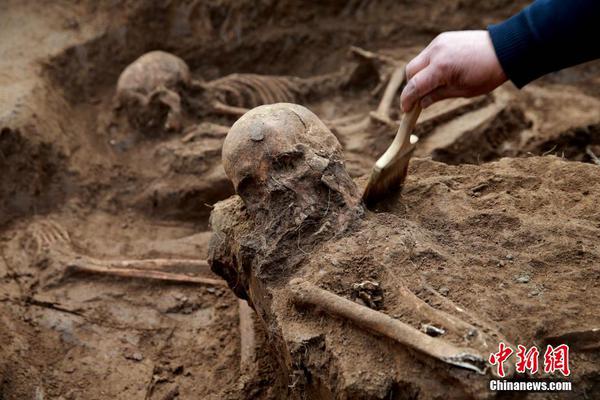
We saw gangs of men and boys clearing away great mounds of pumice and dark lava mould from the ancient streets, which had not seen the light for eighteen centuries, and over which the vine had been planted, and the corn had waved through many generations. It has been demonstrated by an examination of the older crater, that in the great eruption of A.D. 79 Vesuvius first threw up its superficial contents--and, in fact, the very crust of the mountain itself, which, being of a light friable nature, blew over to the more distant city of Pompeii, accompanied by showers of hot water--and it was after this first outbreak that a flood of molten lava poured in a torrent over the nearer city, and enfolded Herculaneum in a bed of rock. There is evidence that Pompeii had been warned of the impending disaster by an earthquake; we have no means yet of knowing whether Herculaneum received a similar warning, but the probability is that it was overwhelmed with awful suddenness.
Pompeii now reposes on an elevated grassy plain, partly encircled by fine ranges of hills, which on the eastern side stretch out towards Castellamare, and at the present time have one or two of their loftiest summits topped with snow. It is now some two or three miles from the sea, which is supposed to have receded at the time of the eruption, for Pompeii, when entombed, was a fashionable watering-place. It was here that Senator Livinius Regulus fixed his residence when banished from Rome in 59; and we learn from Suetonius, that the emperor Claudius had a villa here. He mentions it incidentally as the place where the Emperor's little son died in a singular manner: the child threw a pear up in the air, and caught it in his mouth, and, before any one could come to his assistance, died from choking.