BANGLADESH - The first woman to head the powerful Bangladeshi garment manufacturers association says the industry continues to suffer from an “image deficit” since a 2013 incident in which more than 1,000 workers, mostly women, died in the collapse of a factory building.
Rubana Huq is the first female president of the Bangladesh Garment Manufacturers and Exporters Association (BGMEA), a powerful lobbying group of 4,500 clothing factories that employs an estimated 4 million workers, mostly women.

In an interview with VOA, Huq says she plans to improve transparency in all aspects of the Ready Made Garments (RMG) industry, which was damaged by the Rana Plaza incident in April 2013, when 1,134 workers were killed when a factory building collapsed in Dhaka.
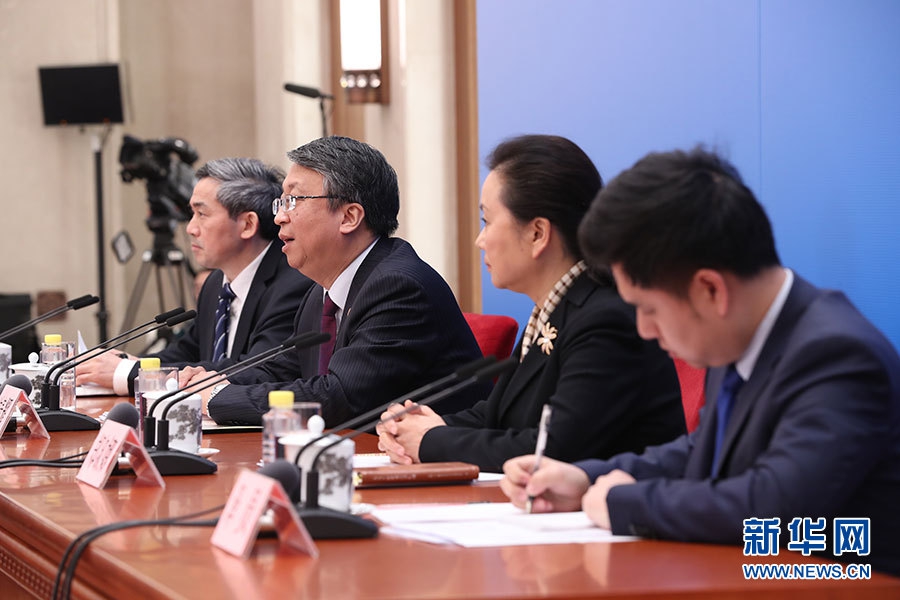
She says one of her priorities in the next two years would be to offer transparency in areas including the working environment, labor relations, compliance and fair pricing among all the stakeholders, including buyers, consumers, manufacturers, laborers, media and monitoring agencies. She says these changes will improve the image of RMG of Bangladesh.

Bangladesh is the second-largest clothing exporting country in the world, with the RMG sector accounting for 84% of annual exports, according to a January 2018 Textile Today report.
Huq has been involved in the industry for more than two decades. In hindsight, she says, the failure of the Bangladesh industry to establish its own regulatory body was a huge mistake.
She says she intends to create a Bangladesh regulatory agency to supervise and monitor the industry. If the country had done so years ago, Huq says the BGMEA would not have been compelled to take , a legally binding agreement among global brands, retailers and trade unions that works to provide a safe and healthy garment industry for workers.
After the Rana Plaza accident in 2013, Accord started to work in Bangladesh to improve safety standards in the apparel sector with a five-year time frame, which ended in June 2018. The Bangladesh Supreme Court deferred until May 19 the hearing of a petition filed by Accord to extend its tenure in Bangladesh.
The court earlier this month, however, approved a plan to transfer the factory oversight team, run by Accord, and its duties to representatives from the top garment manufacturer’s association.
Trade union leaders said the plan would “compromise the safety and security of garment workers” and gave too much power to factory owners, who would become responsible for maintaining standards in the industry.
“This deal is sure to compromise the safety and security of garment workers given there will be no independent decision-making by the Accord,” Babul Akter, president of the Bangladesh Garment and Industrial Workers Federation, told Reuters news agency in an interview. “This was framed without any discussion with labor unions.”
According to a report published in The Daily Star in April, Iftekharuzzaman, the executive director of Transparency International Bangladesh, said, “The safety in the garment sector improved a lot after the Rana Plaza collapse incident six years ago.”
Yet the image of the RMG sector of Bangladesh has largely remained negative, especially, outside Bangladesh, according to Huq.
She thinks one way to counteract this would be to tell the stories of the BGMEA. She says there is a disconnect between the RMG industry and consumers in Europe and the United States who buy the clothing.
She has proposed adding a QR code on the tag of each Bangladesh-made product. A QR code is a small, digitally encoded pattern of squares and dots designed to be read by a smartphone scanner.
The code would send consumers to a website where they could view short video clips that tell the story of the laborers behind the products produced by the BGMEA.
Huq says she believes consumers would support and empathize with the workers’ unique life situations.
The technology would increase the cost of each product a few cents, Huq says, adding her fellow manufacturers are not keen on the idea.
“Nobody wants to spend extra now,” she says. However, without adding the technology, “we would not be able to remain competitive,” she says.
Huq says she sees gender equity as an area for improvement as well.
She claims there is no gender pay gap in Bangladesh’s RMG sector, which “employs more than 3 million women.” Men and women are paid equally, she claims, adding that if maternity benefits are taken into account, women enjoy more benefits than their male counterparts.




