"He's a good boy to his mother," said one, "and she'll miss him sorely."
"He's living yet, God bless him, and perhaps after all he'll mend," declared another of more hopeful spirit.

"Did you ever hear that when he was a little chap and his tutor was going to leave him, the young man couldn't go into his room without finding a little present on his pillow or perhaps a note from the little boy saying how much he should miss him?"

"It'll kill the Queen," said one man. "The poor woman's had all she can bear, and she'll never go through this."

"And the Prince's boy's but eight years old," declared another. "There'll be a regent for ten years, and no one can say what harm will come to the country in that time."
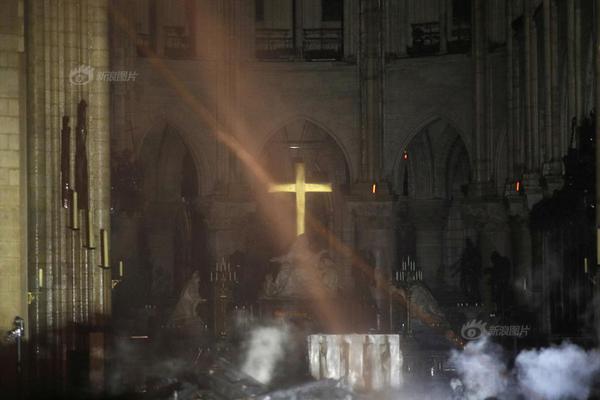
So the days passed. The fourteenth of December came, the anniversary of the day on which the Prince Consort had died. The Prince breathed and that was all. The people about the offices were hushed. Everyone dreaded to hear the next message, but when it came, it said "Better." London hardly dared to rejoice, but the Prince continued to gain, and at last the Queen joyfully granted the wish of her people and appointed a Thanksgiving Day. The special service was held at St. Paul's Church, and there were many tears of joy when the Queen walked up the nave between the Prince and the Princess of Wales.
After the religious ceremony was over, the guns roared out the delight of the people, and a wild excitement of happiness began. At night St. Paul's was illuminated, and everyone was jubilant. The Queen was deeply touched and pleased with the warm sympathy shown by her subjects, and a day or two later she sent a little letter to be published in the papers to tell them how happy they had made her.
Only two days after this letter was written, there was a great alarm, for when the Queen went out to drive a young fellow sprang towards the carriage and aimed a pistol at her. He was seized in a moment and proved to be a half-crazed boy of seventeen whose pistol had neither powder nor bullet. Most of the Queen's personal attendants were Highlanders, and one of them, John Brown, had thrown himself between her and what he supposed was the bullet of an assassin. Both the Queen and Prince Albert were always most appreciative of faithful service, and looked upon it as something which money could not buy. She had been thinking of having special medals made to give to her servants who deserved a special reward, and she now gave the first one to John Brown. With the medal went an annuity of $125.