Character of the Life during this Period.--Feudalism.--Life was so beset with peril that independence or freedom became impossible, and there was developed a society which has lasted almost down to the present time, and which we call Feudalism. The free but weak man gave up his freedom and his lands to some stronger man, who became his lord. He swore obedience to this lord, while the lord engaged to furnish him protection and gave him back his lands to hold as a "fief," both sharing in the product. This lord swore allegiance to some still more powerful man, or "overlord," and became his "vassal," pledged to follow him to war with a certain number of armed men; and this overlord, on his part, owed allegiance to the prince, who was, perhaps, a duke or bishop (bishops at this time were also feudal lords), or to the king or emperor. Thus were men united into large groups or nations for help or protection. There was little understanding of love of country. Patriotism, as we feel it, was replaced by the passion of fidelity or allegiance to one's feudal superior.
Disadvantages of Feudalism.--The great curse of this system was that the feudal lords possessed the power to make war upon one another, and so continuous were their jealousies and quarrelings that the land was never free from armed bands, who laid waste an opponent's country, killing the miserable serfs who tilled the soil, and destroying their homes and cattle.
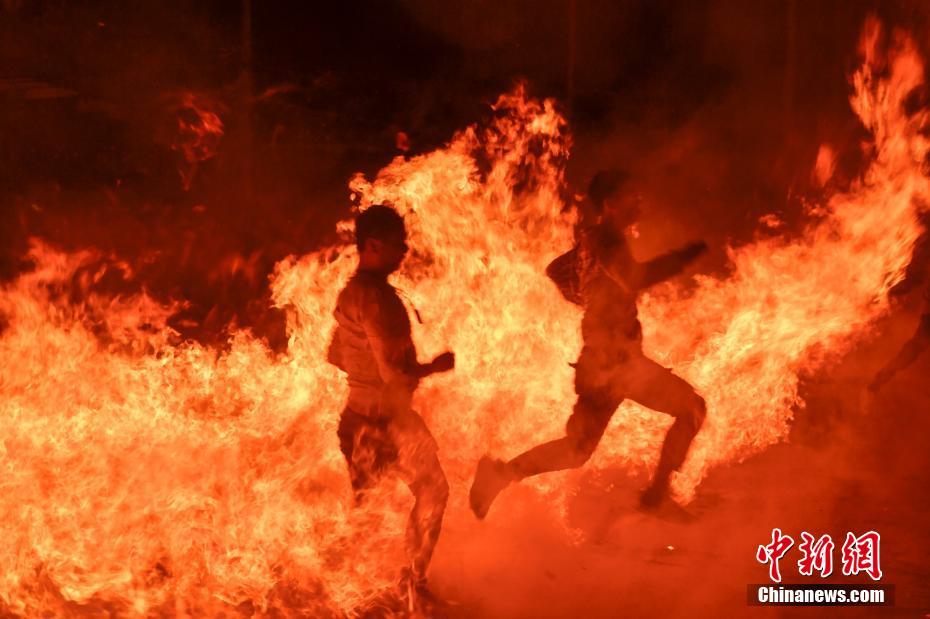
There was little joy in life and no popular learning. If a man did not enjoy warfare, but one other life was open to him, and that was in the Church. War and religion were the pursuits of life, and it is no wonder that many of the noblest and best turned their backs upon a life that promised only fighting and bloodshed and, renouncing the world, became monks. Monasticism developed in Europe under such conditions as these, and so strong were the religious feelings of the age that at one time a third of the land of France was owned by the religious orders.
The Town.--The two typical institutions of the early Middle Age were the feudal castle, with its high stone walls and gloomy towers, with its fierce bands of warriors armed in mail and fighting on horseback with lance and sword, and the monastery, which represented inn, hospital, and school. Gradually, however, a third structure appeared. This was the town. And it is to these mediæval cities, with their busy trading life, their free citizenship, and their useful occupations, that the modern world owes much of its liberty and its intellectual light.