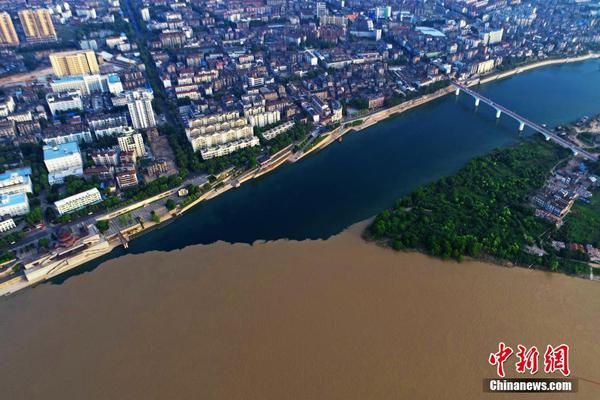
The new rulers once planned even greater changes in the old city. They set about with the apparent intention of virtually moving it, or at least the commercial center of it, down nearer the River Han, in a section they called Ryuzan. There they built the railway headquarters and blocks of brick residences for the employees. A stone palace for the mikado’s viceroy was erected, streets laid out, and improvements impossible in the crowded portion of the city were projected. But commerce has a way of choosing its own localities; the Koreans are nothing if not conservative; local gossip has it that when Prince Ito was taken down to see his new residence he remarked to his well meaning subordinates that they might live down there in the swamp if they wished, but that he for one would stay in town. The prince is well known to have been no recluse and hermit who would deny himself the soft pleasures of cities. In the end his choice proved wise, for it is a rare rainy season that does not wipe out scores of native huts down along the Han and encroach upon the unused and isolated palace he rejected. The railway headquarters, residences, and school remain, and trains halt for an exasperatingly long time at Ryuzan station, so near that of Nandaimon to which most travelers are bound, almost as if the officials would vent their pique at having their will thwarted; but even the Japanese residents have preferred the old city. Along its southern edge, under the brow of Nansan Hill, dwell and trade that quarter of the fourth of a million of population which wears kimonos and _getas_, and the stroller down “Honmachidori” and its adjacent streets, narrow, crowded, busy, and colorful as a thoroughfare of old Japan, could easily imagine himself back in the Island Empire, far from the languid, white-clad throngs of the Land of Morning Calm.
CHAPTER II SOME KOREAN SCENES AND CUSTOMS
It was our good fortune to dwell out over the hills beyond Seoul rather than in the hot and often breathless city itself. The half-hour walk led up past the big granite Bible School, along a little stream with its inevitable clothes-paddling women, flanked the grave-mound of a little prince, then climbed steeply over another half-wooded ridge from which stretched a wide-spreading mountainous view, everywhere deep green except for the broad brown streak of the River Han and here and there a mushroom patch of village. An American mission college was building in a big hilly pine-grove that owed its preservation to the tomb of a king’s concubine. Pines as fantastic and sturdy as any in Japan stood out against the sky-line; here and there a group of stinking chestnut-trees kept them company. Before they were granted this semi-sacred site the missionaries from our almost mythological land of “Mi-guk” had to agree not to build anywhere overlooking the grave; they had already been asked to close a path used as a short cut by students and an occasional faculty member, because it ran along the brow of the hill above the tomb. To look down upon a royal burial site is the height of disrespect in Korea, hence they are all arranged after a fixed pattern designed to avoid this sacrilege.