Amongst the most regular in coming every week, were a young couple whose situation excited universal sympathy. The contessina was the daughter of the last representative of a very old but impoverished family, and was married to a native of Lombardy, but had been pursued by a series of misfortunes, which ended in the ruin and exile of her husband. Compelled to return with him to her own country in the utmost poverty, she was everywhere treated with as much consideration as if the wealth of Crœsus was at her disposal. No one looked down upon her, though it was known she kept but one servant girl, and always ironed her husband's shirts; and none of the ladies fancied it derogatory to dance with the poor refugee who gave lessons in drawing and mathematics, and was at his wits' end to provide a maintenance for his young wife and child. Evidently their poverty was no crime and no disgrace.
The style of these parties was perfectly simple and inexpensive. There was no supper, no constant eating and drinking, no incessant jingling of trays and glasses, or adjournment to the refreshment-room. A tea-table, presided over by the hostess herself, or one of the ladies present, formed the great centre of attraction: people gathered in groups round it, not formally arranged, but some sitting, others standing—_les petits jeunes gens_, the adolescent beaux, making themselves useful, and handing the tea, in lieu of the attendance of servants, which, as tending to formality, was as much as possible dispensed with. This, with ices handed round once or twice later in the evening, was considered ample for the refection of the company, who were quite delighted with the _trattamento_, as they termed it, and enjoyed their ices as children would do any particular treat. On ordinary occasions, the fashion of the natives was followed in this house; no refreshments at all being given but a little _eau sucrée_.
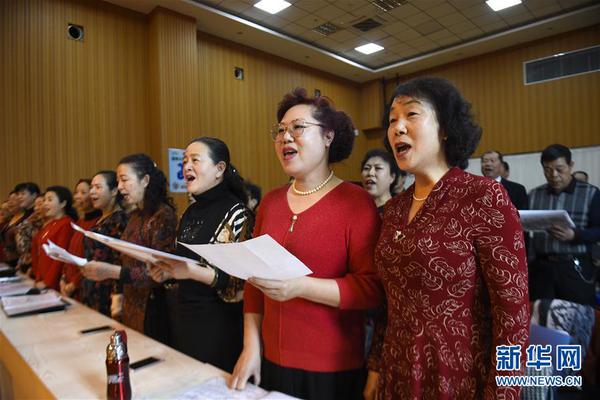
The amusements of the evening consisted of dancing, varied by one or two vocal pieces from some of the persons present, who, accompanied on the piano by a master, sang magnificently, as Italian amateurs always do—since, unless especially gifted both as to ear and voice, they never cultivate the art; and for this reason, though less pretty singing is heard than in England, one escapes the infliction of much that is bad. The dancing was much as it is everywhere else—quadrilles, waltzes, polkas, and the cotillon, but carried on with unaffected spirit and pleasure. The young men, I especially remarked, did not enjoy that happy immunity from terpsichorean labours which, amongst us, they so much covet; and if one of the _gioventù_ would fain have indulged in a sentimental meditation on a sofa, instead of joining in the dance, he was presently rebuked by two or three elderly gentlemen of the old school, who, after inveighing against the degeneracy of the present age, sent him humbled to seek a partner. A young Tuscan marchese, fresh from Florence, where probably he had been perverted by intercourse with British youths, was looked upon quite as a dangerous reprobate, for declining to dance quadrilles on the plea that they were _troppo papavero_—that is, too poppy-like, too narcotic for his taste.