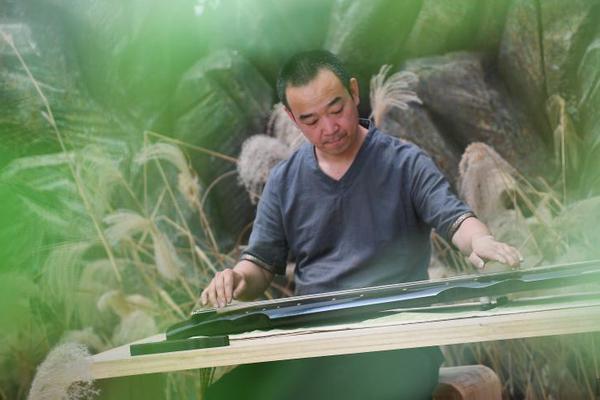
"But when I go and have a quiet talk with any man who really is a known master of some craft or skill, about that craft or skill, I find no doubt whatever existing in his mind about there being a law, a something absolutely real and beautiful and true in connection with it. He, on the contrary, lives with no other purpose or hope or desire but as far as he can to realise in what he works at something of this real and beautiful and true, which was before him, will be after him, is the only valuable thing in him, but yet which honours him with the function of, in his day and generation, expressing it before the eyes of men."
{ 112} "Have we not here a key to the great secret? If each man, in respect of that which he knows best because he lives by it and for it, knows with intimate knowledge and certainty that there at least there is a Law working, not himself, but higher and greater than he,--have we not here a hint of the truth for the universe as a whole; that there also and in all its operations, great as well as small, there must be a Law, a great Idea or Ideal working, which was before all things, works in and gives value to all things, will be the consummation of all things? Is not this what we mean by the Divine?"

Thus Socrates, despising not the meaner things of life, but bending from the airy speculations of the proud to the realities which true labour showed him, laid his ear, so to speak, close to the breast of nature, and caught there the sound of her very heart-beats.
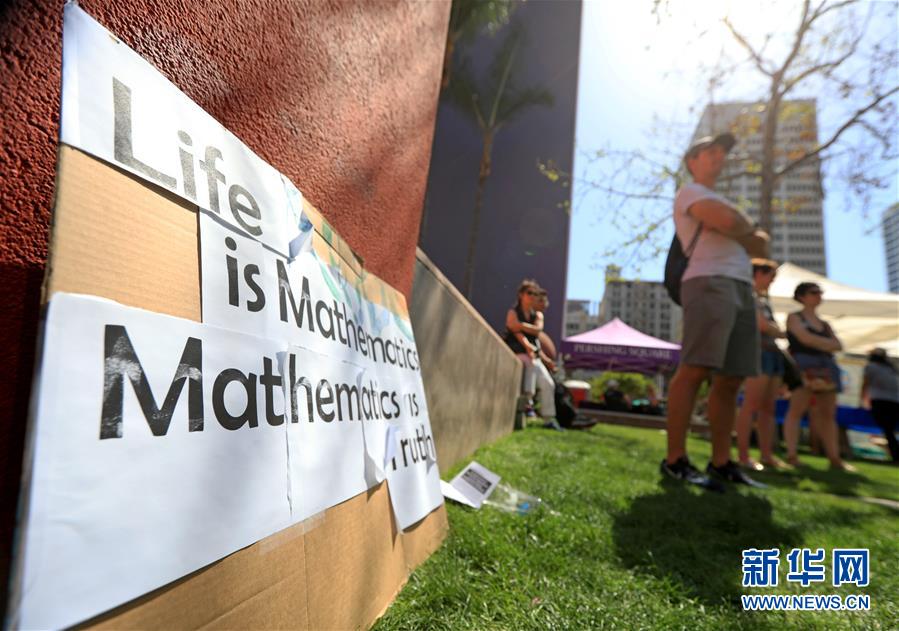
"Virtue is knowledge," thus he formulated his new vision of things. Knowledge, yes; but _real_ knowledge; not mere head-knowledge or lip-knowledge, but the knowledge of the skilled man, the man who by obedience and teachableness and self-restraint has come to a knowledge evidencing itself in _works_ expressive of the law that is in him, as he is in it. _Virtue is knowledge_; on the one hand, therefore, not something in the air, unreal, intangible; but something in me, in you, in each man, something which you cannot handle except as individual and { 113} in individuals; on the other hand, something more than individual or capricious or uncertain,--something which is absolute, over-ruling, eternal.