In the last chapter, I have been using arguments to prove that M. de Luc has reasoned erroneously, in concluding the future stability of a continent; and I have been endeavouring to show that our continent is necessarily wasted in procuring food to plants, or in serving the various purposes of a system of living animals. We have now in view to illustrate this theory of the degradation of the surface of the earth; a theory necessarily leading to that system of the world in which a provision is made for future continents; and a theory explaining various natural appearances which otherwise are not to be understood. A door may thus be opened for the investigation of natural history, particularly that which traces back, from the present state of things, those operations of nature which are more immediately connected with what we take much pleasure to behold, viz. the surface of the earth stored with such a variety of beautiful plants, and inhabited by such a diversity of animals, all subservient to the use of man.
There are two ways in which we may look for the transactions of time past, in the present state of things, upon the surface of this earth, and read the operations of an ancient date in those which are daily transacted under our eye. The one of these is to examine the soil, and to trace the origin of that which we find loose upon the surface of the earth, or only compacted by the soft and cohesive nature of some of its materials. In thus studying the soil we shall learn the destruction of the solid parts; and though, by this means, we cannot form an estimate of the quantity of this destruction which had been made, we shall, upon many occasions, see a certain _minimum_ of this quantity which may perhaps astonish us.
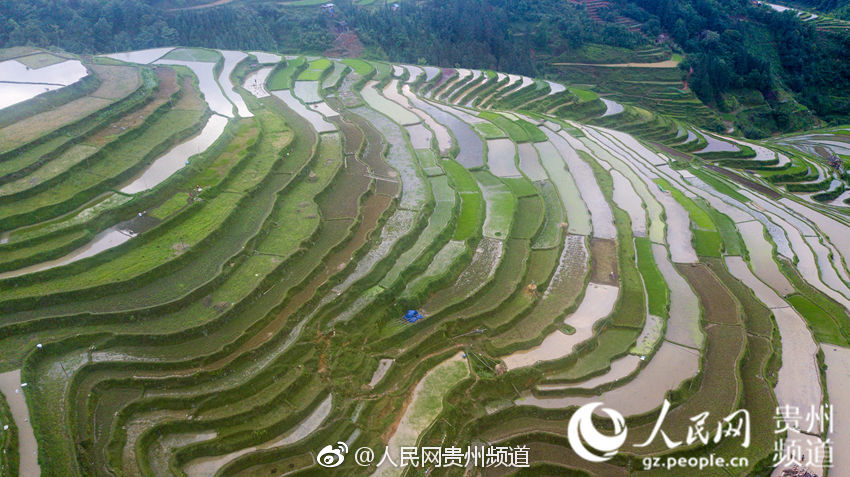
The second method here proposed, is to examine the solid part of the earth, in order to learn the quantity of matter which had been separated from this mass. Here also we shall not be able to compute the quantity of what had been destroyed; but we shall every where find a certain _minimum_ of this quantity, which will give us an extensive view with regard to the operation of the elements and seasons upon the surface of this earth. We shall now examine more particularly those two ways of judging with regard to the operations of time past, and the changes which have been made upon the surface of our land, by those active causes, which, being in the constitution of this earth, must continue to operate with undiminished power, and tend to preserve the _whole_ amidst the destruction of its particular parts.