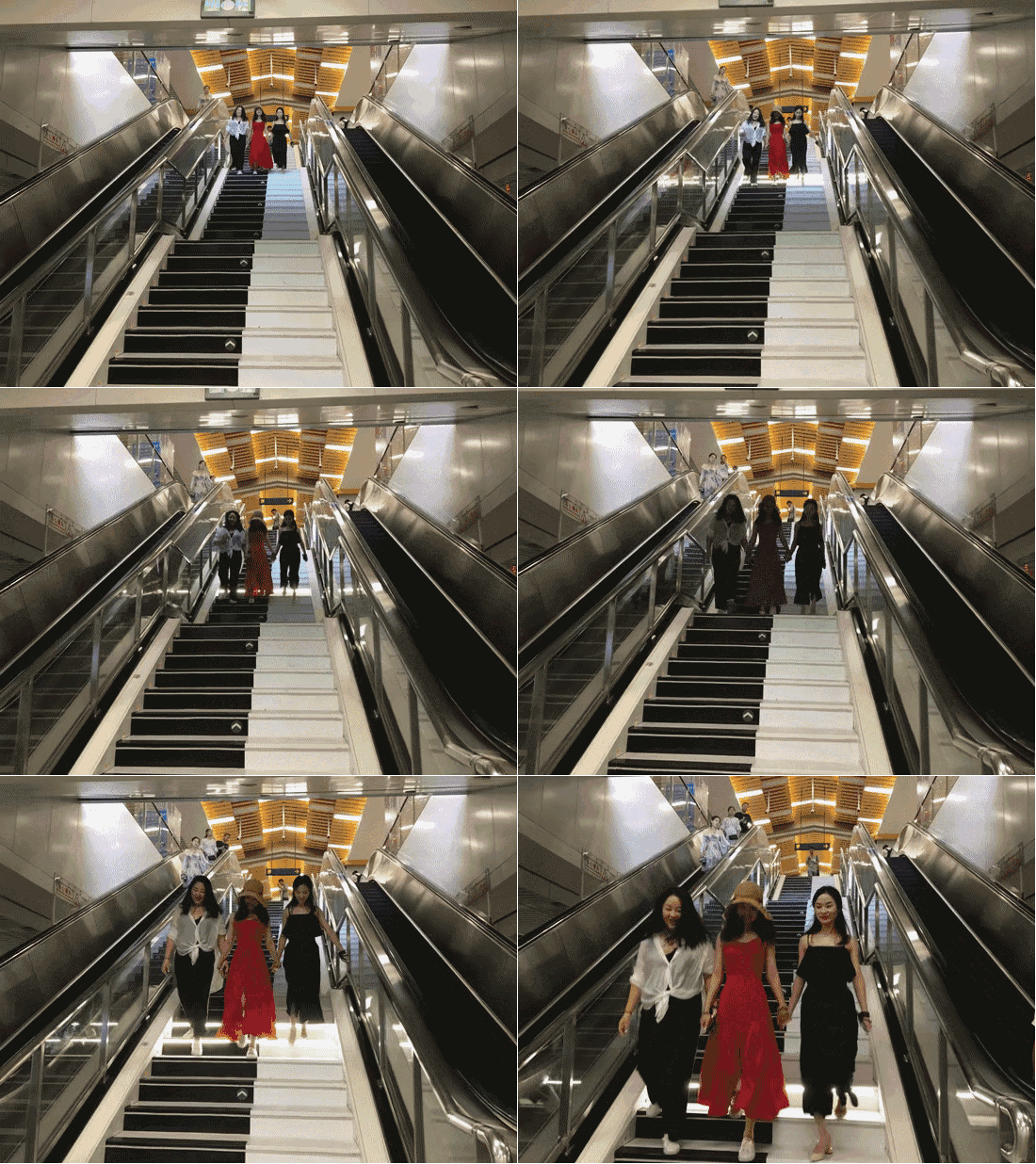
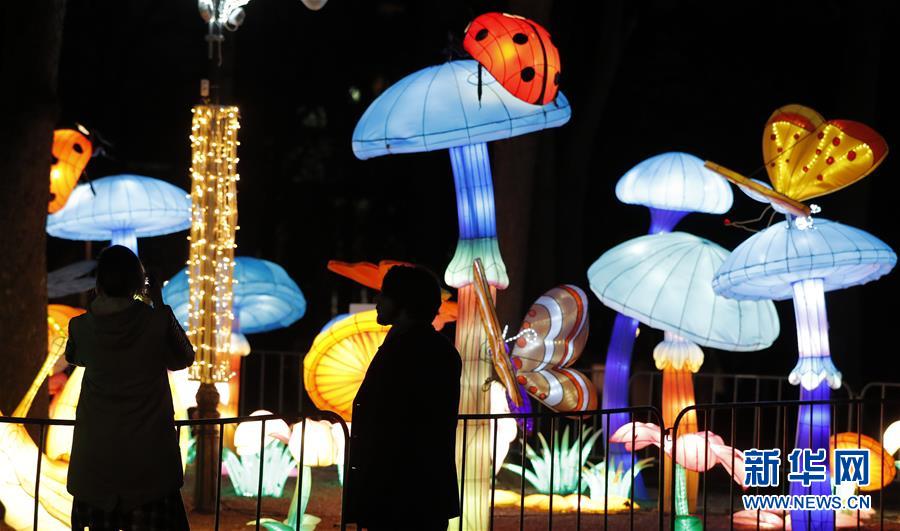
THE SLOW ARROW OF BEAUTY.--The noblest kind of beauty is that which does not transport us suddenly, which does not make stormy and intoxicating impressions (such a kind easily arouses disgust), but that which slowly filter into our minds, which we take away with us almost unnoticed, and which we encounter again in our dreams; but which, however, after having long lain modestly on our hearts, takes entire possession of us, fills our eyes with tears and our hearts with longing. What is it that we long for at the sight of beauty? We long to be beautiful, we fancy it must bring much happiness with it. But that is a mistake.
THE ANIMATION OF ART.--Art raises its head where creeds relax. It takes over many feelings and moods engendered by religion, lays them to its heart, and itself becomes deeper, more full of soul, so that it is capable of transmitting exultation and enthusiasm, which it previously was not able to do. The abundance of religious feelings which have grown into a stream are always breaking forth again and desire to conquer new kingdoms, but the growing enlightenment has shaken the dogmas of religion and inspired a deep mistrust,--thus the feeling, thrust by enlightenment out of the religious sphere, throws itself upon art, in a few cases into political life, even straight into science. Everywhere where human endeavour wears a loftier, gloomier aspect, it may be assumed that the fear of spirits, incense, and church-shadows have remained attached to it.
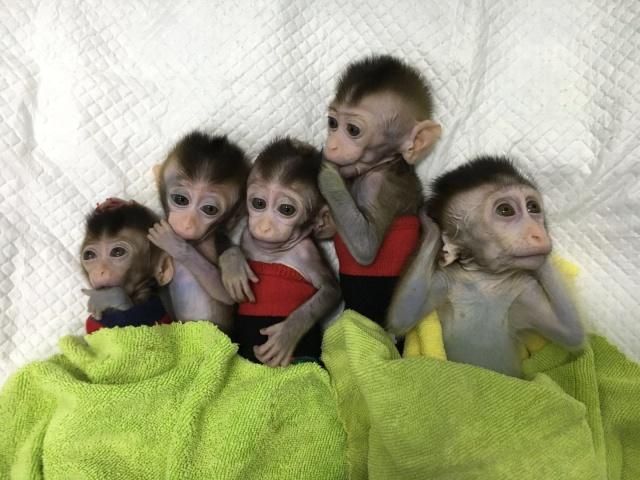
HOW RHYTHM BEAUTIFIES.--Rhythm casts a veil over reality; it causes various artificialities of speech and obscurities of thought; by the shadow it throws upon thought it sometimes conceals it, and sometimes brings it into prominence. As shadow is necessary to beauty, so the "dull" is necessary to lucidity. Art makes the aspect of life endurable by throwing lover it the veil of obscure thought.
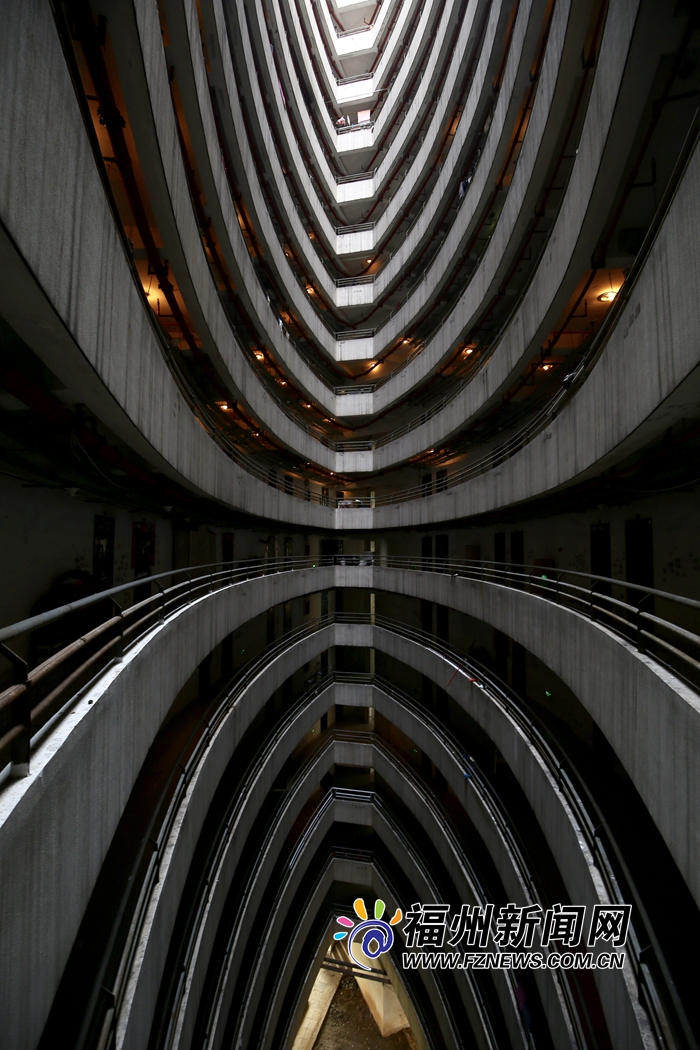
THE ART OF THE UGLY SOUL.--Art is confined within too narrow limits if it be required that only the orderly, respectable, well-behaved soul should be allowed to express itself therein. As in the plastic arts, so also in music and poetry: there is an art of the ugly soul side by side with the art of the beautiful soul; and the mightiest effects of art, the crushing of souls, moving of stones and humanising of beasts, have perhaps been best achieved precisely by that art.