This answer made such an impression upon the son, showing him what treatment he had a right to expect from his own children after the example he had given them, that from that time he treated his old father with the respect and kindness he himself wished to receive in his old age.
We should never laugh at mistakes in speech. The old-fashioned expressions that seem so queer to us may have been right when those who use them were young. Some of our ways of speaking will probably seem as strange to young people when we are old as theirs do now to us, so we are laughing at ourselves beforehand. Then we should remember that years ago school privileges were not so great as they are now. Children then went to school but little in comparison with us, and their speech was not watched and corrected by teachers as ours is. We ought never to criticise mistakes in the aged as we would in our little brothers and sisters: it is disrespectful; and besides they are too old to change habits.

We should listen with attention and with no sign of impatience to all they say, answer their questions kindly, and not contradict, even if through forgetfulness the same question is often asked and mistakes are made. If they are childish and sometimes fault-finding, we should treat them with the gentleness we would show to a little child, together with the respect that belongs to gray hairs.
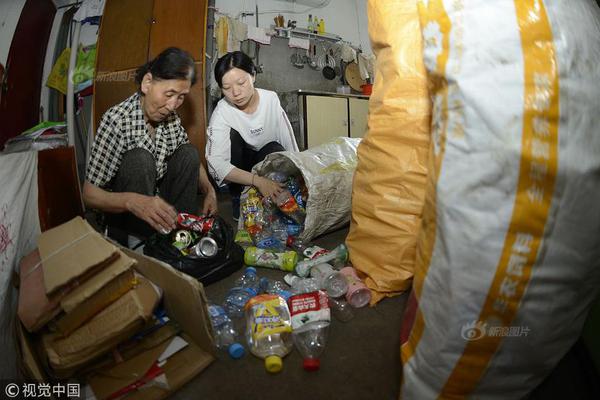
If they are hard of hearing, we should repeat patiently and gently and never shout an answer.
When we talk with them we should talk of what they care for, even if it is what we are not interested in. If we try, we can generally become interested for their sakes. We should be willing to read to them articles and books that may seem prosy to us; we ought to think how long the days must seem to those who are too feeble to go out as we do, and we should be glad to do what we can to entertain them.
We should cheerfully wait upon old people, and let them feel that young hands and feet are glad to take the place of theirs. There are countless little services which we can perform for them: we can bring grandfather his hat and cane, find a place in the paper for him with our bright eyes, thread grandmother's needle, pick up dropped stitches in her knitting, hunt for her glasses when she loses them, and run on errands for them both.