Along the whole extent of this line situated below the Levee, but at a distance of some two hundred feet, runs a range of store-houses, cotton-presses, and shops, connected by tolerably well-flagged side-walks; and certainly in no other place is such accommodation more absolutely required, the middle space or street, so called, being, after rain, a slough, to which that of Despond, as described by Bunyan, was a _bagatelle_; and floundering through, or pounded in which, are lines of hundreds of light drays, each drawn by three or four fine mules, and laden with the great staple, cotton.[3]
At both extremities of the tiers of shipping, but chiefly at the south, lie numberless steamboats of all sizes; and yet again, flanking these, are fleets of those rude rafts and arks constructed by the dwellers on the hundred waters of the far West; and thence pushed forth, freighted with the produce of their farms, to find, after many days, a safe haven and a sure market here.

Let it not be forgotten that many of the primitive-looking transports lying at this point have performed a drift of three thousand miles. Their cargoes discharged, they are immediately disposed of to be broken up; their crews working their way back on board the steamers, to return in the following year with a vessel and a freight, both of which are at this time flourishing in full vegetation in field and in forest.

The interest with which I looked upon these far-travelled barks I dare hardly trust myself to declare or to describe; they told me of men and of their increase, who, only for the waters on which they live, would be as little known and quite as uncivilized as the Indian whose land they have redeemed from the wild beast or more savage hunter, to bid it teem with abundance, and to be a refuge and a home for millions to rejoice in.
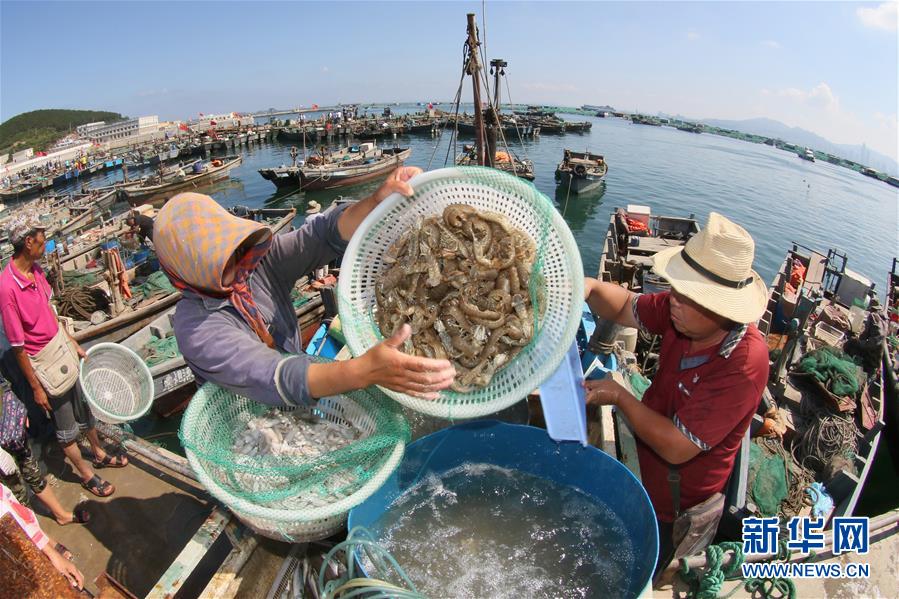
The appearance of the Levee during this season is most animated. At the quarter occupied by the great Western steamboats, the lading and discharging cargoes seldom ceases during the busy months, when each hour appears to be grudged if not devoted to toil. At night, fires mark the spots where work is most brisk, and the warehouses along the line are frequently illuminated from the street to the upper story: crowds of labourers, sailors, bargemen, and draymen cheer, and order, and swear in every language in use amongst this mixed population; and, above all, at regular intervals, rises the wild chorus of the slaves labouring in gangs, who, if miserable, are certainly the merriest miserables in existence.