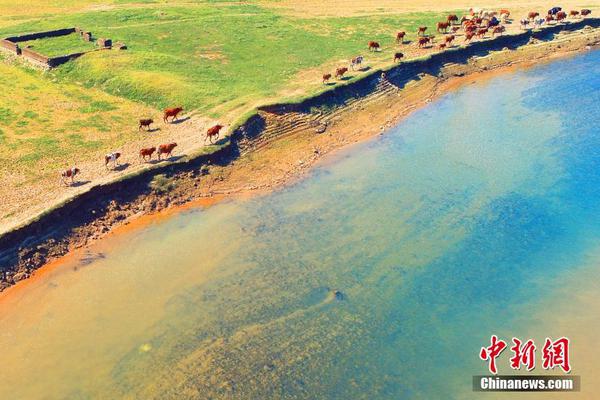
The evening sky was blazing crimson and gold, and the mountains behind us were growing purple when we entered the little settlement where the Bishop lives. We drove briskly through the scattered, straggling little village, past the store and the meeting-house, and drew up before the dwelling of the Bishop. The houses of the village were for the most part small cabins of two or three rooms, but the Bishop's was more pretentious. It was a frame building and boasted paint and shutters. A tithing-office stood near, and back of the house we could see a large granary and long stacks of hay. A bunch of cattle was destroying one stack, and Mrs. O'Shaughnessy remarked that the tallow from those cattle should be used when the olive oil gave out at their anointings, because it was the Bishop's cattle eating consecrated hay.
We knocked on the door, but got no answer. Mr. Beeler went around to the back, but no one answered, so we concluded we would have to try elsewhere for shelter. Mrs. O'Shaughnessy comforted me by remarking, "Well, there ain't a penny's worth of difference in a Mormon bishop and any other Mormon, and D---- is not the only polygamist by a long shot."
We had just turned out of the gate when a lanky, tow-headed boy about fourteen years of age rode up. We explained our presence there, and the boy explained to us that the Bishop and Aunt Debbie were away. The next best house up the road was his "Maw's," he said; so, as Mr. Beeler expected to stay with a friend of his, Mrs. O'Shaughnessy and I determined to see if "Maw" could accommodate us for the night.

Mr. Beeler offered to help the boy get the cattle out, but he said, "No, Paw said it would not matter if they got into the hay, but that he had to knock off some poles on another part of the stockyard so that some horses could get in to eat."
"But," I asked, "isn't that consecrated hay?--isn't it tithing?"
"Yes," he said, "but that won't hurt a bit, only that old John Ladd always pays his tithe with foxtail hay and it almost ruins Paw's horses' mouths."
I asked him if his father's stock was supposed to get the hay.
"No, I guess not," he said, "but they are always getting in accidental like."
We left him to fix the fence so the horses could get in "accidental like," and drove the short distance to "the next best house."