Open University of West Africa (OUWA) was founded in Ghana in November 2011 by John Roberts and Patrick Steele. With the goal to break the poverty cycle in West Africa through online education, John Roberts and his co-founder were inspired by a simple but contradictory observation: at the moment, higher education penetration in Africa was very low, many of the best universities around the world were beginning to put their courses online through platforms like Coursera, edX, Udacity etc.
The two founders became driven by the idea of harnessing this “perfect storm” of free Open Educational Resources (OER), cheaper access to mobile technology, and the profound need to spur development through higher-ed in West African countries.

History
Located in Ghana, Open University of West Africa (OUWA) provided extremely low-cost education (US$10/year), while also encouraging each student to become an agent of change in this fight. In West Africa, less than 10% of students are enrolled in an institution of higher education, and extreme poverty is a life-threatening reality for many. Despite some efforts by West African governments to expand educational opportunities, there are no tangible improvements in the field of education in this region of Africa. Simple efforts to increase the number of people enrolled in schools have not solved the problem. Without accessibility to quality higher education , there is little hope of students becoming professionals such as business owners, doctors and government officials. Without these industry and community leaders, economic development is almost impossible.
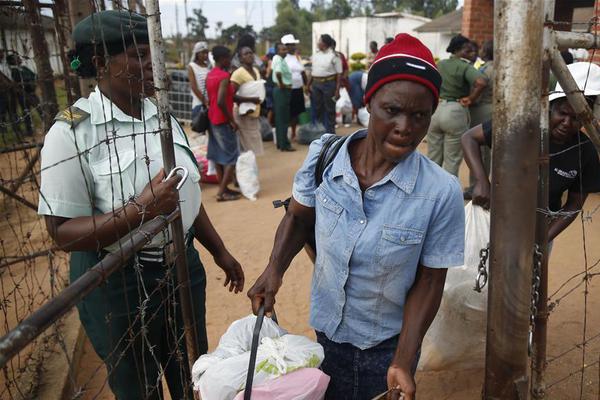
Open University of West Africa attracted numerous potential students. After opening an ‘internet café of education’ in Accra, Ghana, OUWA began with more than 40 students attending the courses. A year and a half into launch, OUWA had around 200 students. This represented the largest concentration of students accessing MOOCs in Sub-Saharan African. The most promising aspect of the small “campus” is that it allowed for the like-minded students, to collaborate with their peers, and they began forming groups together to start venture businesses. This very natural student-led idea became an essential pivot-point for the co-founders leading to the “Educate– Incubate– Invest” business model that was to become the launching point for the next phase of this pioneering “new school”.

The new model
Educate: The initial focus for launching OUWA was to deliver higher-ed to those who could not access it through the traditional channels. These unreached students could now access all the necessary study materials and content online for free at an OUWA internet café. There were courses on Entrepreneurship, Computer Science, General education all drawn from Coursera and Udacity. Incubate: As a natural progression of the business classes and venture-minded students, the next step for OUWA was to become a startup incubator. To fuel this environment, events were created and a physical space acquired for co-founders to be matched-up. This next generation focus of creating real world businesses made the incentives for prospective students go far beyond the almost non-existent fees and the availability and ease of access. The incubation component of OUWA's vision consisted of building the West African startup ecosystem. By focusing on incubation, the co-founders were fulfilling their ultimate goal: Fostering Development in W. Africa. Invest: Through events like Startup West Africa (SWA), talented judging panels selected the business ideas with the most potential. Then, seed funding would help launch the startups in exchange for around 10% equity stake to OUWA. These small investments in high potential businesses and top students was paving the way to another necessary goal: Sustainability.