Almost two-thirds of all prisoners in Hong Kong jails are drug addicts, but the jailing of addicts, however necessary to protect society, offers no cure for addiction. The colony government has sought to meet this phase of the problem by setting up a narcotics rehabilitation center at Tai Lam Chung Prison and a voluntary treatment section in the government hospital at Castle Peak.
Dr. Alberto M. Rodrigues, a colony-born physician of Portuguese ancestry and an unofficial member of the Hong Kong Legislative Council, became chairman of a voluntary committee formed in 1959 to help drug addicts. With government approval, his committee took over Shek Kwu Island near Lantau in 1960 to establish a center where about 500 addicts could be accommodated if they volunteered for treatment. The island was chosen because it was isolated, and with proper security measures, could keep the addict entirely away from drugs until medical and nursing care had put him back on his feet. Gus Borgeest, the refugee rehabilitation pioneer who established a welfare center on Sunshine Island, helped in the early planning of Shek Kwu Chau, which began operations during 1962.

Sir Sik-nin Chau, who has served on both the Executive and Legislative Councils, headed an antinarcotics publicity campaign which was solidly backed by the British and Chinese newspapers. The Kaifong associations joined in the drive with lectures and leaflet-distribution among the Chinese community. The public was urged to report any information about narcotics sales or divans, but the response was slow and timid; many ordinary citizens were obviously afraid of beatings and reprisals by the Triad gangs engaged in drug-peddling. Others hung back in obedience to a deep-seated Chinese tradition of not sticking your neck out by reporting on the other fellow’s dirty work. Some headway has been made against this attitude, but the general feeling of the drive’s publicity people is that their campaign must be sustained for years to overcome it.
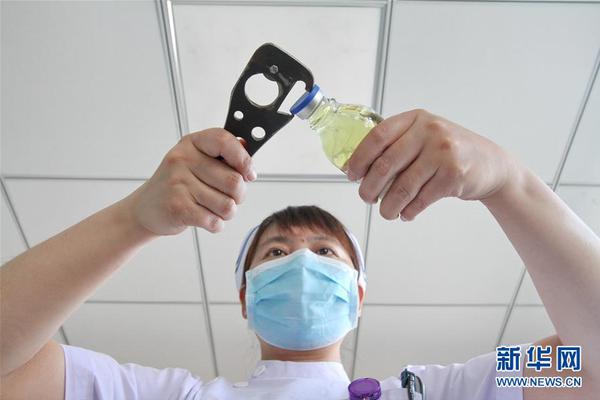
Hong Kong’s drug problem is unlike that of New York City, where drug addiction among teen-agers is cause for grave concern. Few Chinese youngsters seem to be attracted to the habit. It is the middle-aged, the unemployed, and most of all, the desperately poor who chase the dragon for a brief sensation of well-being, ease and warmth that is succeeded by a crushing letdown, physical collapse and eventual death. Abrupt withdrawal of the drugs is like an earthquake from within, causing cramps, vomiting, excruciating bodily pain and pathological restlessness. Only a gradual withdrawal under close medical supervision will bring about a cure, and even that carries no guarantee if the rehabilitated addict is turned back to joblessness and squalor.