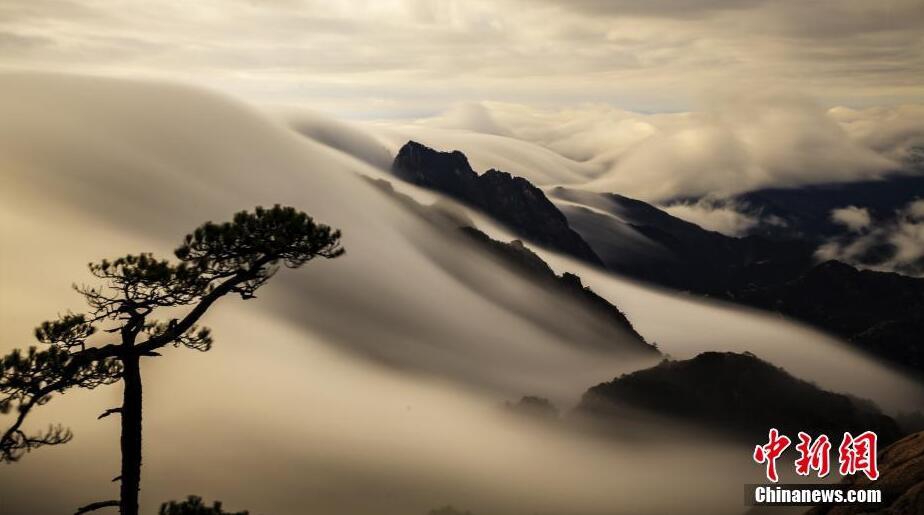
"The winds which prevail at this season of the year are from the southwest, or south, which means from the temperate latitude of the South Atlantic, and slightly chilled in their passage over the western ranges. In the early morning the thermometer was often as low as 64°. From 10 A.M. to 4 P.M. it ranged from 75° to 85° Fahrenheit in the shade; from 4 P.M. to sunset it ranged from 72° to 80°. From the 12th of January until the 5th of March we experienced no rain.
"One remarkable fact connected with our life in this region is, that though we endured more anxiety of mind and more strain on the body, were subject to constant peril, and fared harder (being compelled for weeks to subsist on green bananas, cassava, and sugarless tea, and those frequently in scanty quantities), we--Frank and I--enjoyed better health on the Livingstone than at any other period of the journey; but whether this unusual health might not be attributed to having become more acclimatized is a question.
"The mirage on the Livingstone was often ludicrously deceptive, playing on our fears at a most trying period, in a manner which plunged us from a temporary enjoyment of our immunity from attack into a state of suspicion and alarm, which probably, in nine cases out of ten, arose out of the exaggerated proportions given to a flock of pelicans or wild geese, which to our nerves, then in a high state of tension, appeared to be a very host of tall warriors. A young crocodile basking on a sandy spit appeared to be as large as a canoe, and an ancient and bleached tree a ship.

"At noon of the 17th we had reached north latitude 0° 18' 41", our course during the 16th and 17th having been southwest, but a little before sunset the immense river was gradually deflecting to south.

"I quote the following from my note-book:
"'_February_ 18, 1877.--For three days we have been permitted, through the mercy of God, to descend this great river uninterrupted by savage clamor or ferocity. Winds during two days seriously impeded us, and were a cause for anxiety, but yesterday was fine and calm, and the river like a sheet of burnished glass; we therefore made good progress. In the afternoon we encountered a native trading expedition from Ikengo in three canoes, one of which was manned by fifteen paddlers, clothed in robes of crimson blanket-cloth. We hailed them, but they refused to answer us. This sight makes me believe the river must be pretty free of cataracts, and it may be that there are no more than the Sundi cataract, and the Falls of Yellalla reported by Tuckey in 1816, otherwise I cannot account for the ascent of three trading vessels, and such extensive possession of cloths and guns, so far up the river.