Another thing--You must beautify your homes.
When I was a farmer it was not fashionable to set out trees, nor to plant vines.

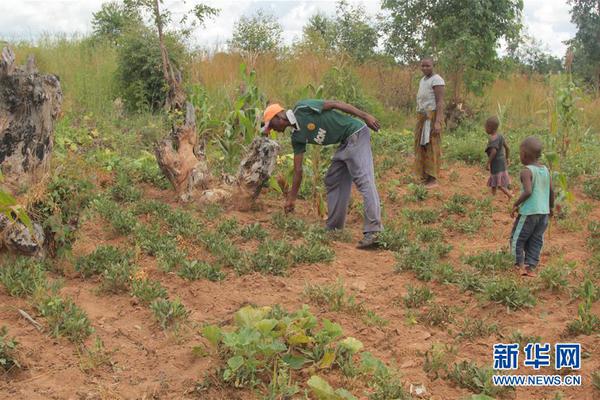
When you visited the farm you were not welcomed by flowers, and greeted by trees loaded with fruit. Yellow dogs came bounding over the tumbled fence like wild beasts. There is no sense--there is no profit in such a life. It is not living. The farmers ought to beautify their homes. There should be trees and grass and flowers and running vines. Everything should be kept in order--gates should be on their hinges, and about all there should be the pleasant air of thrift. In every house there should be a bath-room. The bath is a civilizer, a refiner, a beautifier. When you come from the fields tired, covered with dust, nothing is so refreshing. Above all things, keep clean. It is not necessary to be a pig in order to raise one. In the cool of the evening, after a day in the field, put on clean clothes, take a seat under the trees, 'mid the perfume of flowers, surrounded by your family, and you will know what it is to enjoy life like a gentleman.

In no part of the globe will farming pay better than in Illinois. You are in the best portion of the earth. From the Atlantic to the Pacific, there is no such country as yours. The East is hard and stony; the soil is stingy. The far West is a desert parched and barren, dreary and desolate as perdition would be with the fires out. It is better to dig wheat and corn from the soil than gold. Only a few days ago, I was where they wrench the precious metals from the miserly clutch of the rocks. When I saw the mountains, treeless, shrub-less, flowerless, without even a spire of grass, it seemed to me that gold had the same effect upon the country that holds it, as upon the man who lives and labors only for that. It affects the land as it does the man. It leaves the heart barren without a flower of kindness--without a blossom of pity.
The farmer in Illinois has the best soil--the greatest return for the least labor--more leisure--more time for enjoyment than any other farmer in the world. His hard work ceases with autumn. He has the long winters in which to become acquainted with his family--with his neighbors--in which to read and keep abreast with the advanced thought of his day. He has the time and means for self-culture. He has more time than the mechanic, the merchant or the professional man. If the farmer is not well informed it is his own fault. Books are cheap, and every farmer can have enough to give him the outline of every science, and an idea of all that has been accomplished by man.