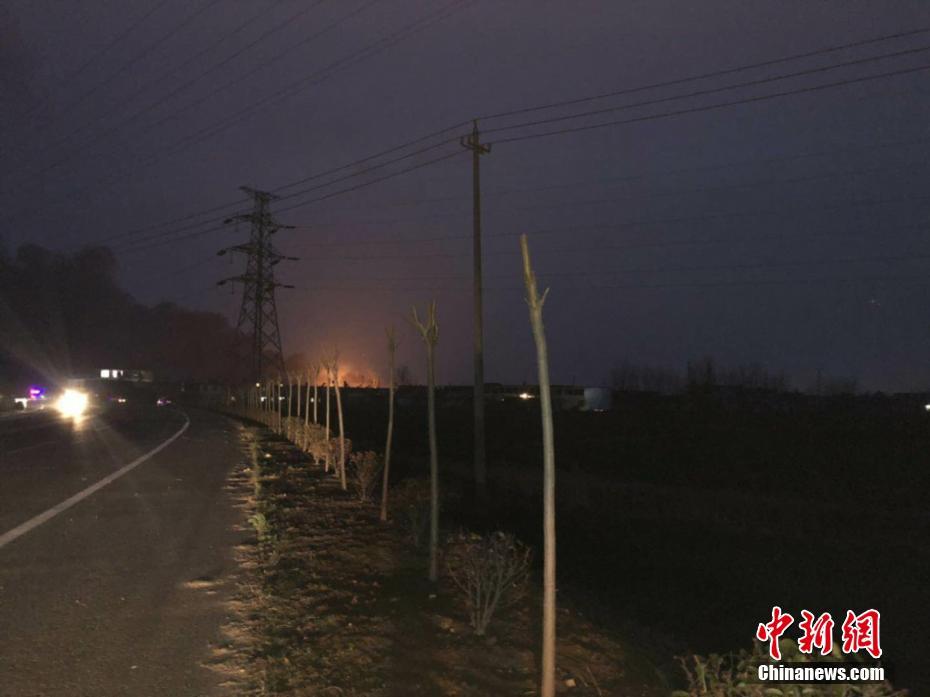
The undertaker had provided a cart and a couple of oxen and two men to lift the coffin in and out. They came late on the Thursday evening, at about eight o'clock, and drew up at the back of the late Leopold Hirsch's shop. No one was about and the night was dark.
Slowly the cart, creaking on its wheels and axles, wound its way through some maize stubble, up a soft, sandy road to the enclosed little bit of ground which the local Jews have reserved for themselves.

And the mysterious veil which divides the present from the past fell quickly over this act of the village tragedy, as it had done with pomp and circumstance after the banquet which followed the laying to rest of the murdered man.

A week went by after the funeral before Elsa saw Andor again. She had not purposely avoided him, any more than she had avoided everyone else: but unlike most girls of her class and of her nationality she had felt a great desire to be alone during the most acute period of this life's crisis through which she was passing just now.

At first on that never-to-be-forgotten morning when she woke to her wedding-day--her white veil and wreath of artificial white roses lying conspicuously on the top of the chest of drawers, so that her eyes were bound to alight on them the moment they opened--and saw her mother standing beside her bed, dishevelled, pale, and obviously labouring under some terrible excitement, she had been conscious as of an awful blow on the head, a physical sensation of numbness and of pain.
Even before she had had time to formulate a question she knew that some terrible calamity had occurred. In jerky phrases, broken by moans and interjections, the mother had blurted out the news: Erös Béla was dead--he had been found just now--murdered outside Klara Goldstein's door--there would be no wedding--Elsa was a widow before she had been a bride. Half the village was inclined to believe that Ignácz Goldstein had done the deed in a moment of angry passion, finding Béla sneaking round his daughter's door when he himself was going away from home--others boldly accused Andor.
Elsa had said nothing at the time. That same imagined blow on the head had also deprived her of the power of speech. Fortunately Irma talked so loudly and so long that she paid no attention to her daughter's silence, and presently ran out into the village to gather more news.