One of the peculiarities of Tarascon is its railway station on the outskirts of the town. It is situated some thirty feet above the level of the street, and you gain the platform by climbing several long flights of stairs, up which it is no light task to carry a heavily-burdened bicycle. During most of the day there is little evidence of life in or around the station, and a clerk will cheerfully devote a quarter of an hour to explain to you the absurdities of the railway time table; but five or six times a day the place wakes up on the arrival of a train from or to the capital, for all the trains in France seem to have a connection, however tardy and remote, with the octopus of Paris. Then there is much ringing of bells and blowing of trumpets, and you almost expect to see the quaint and portly form of Tartarin himself returning from his great adventure in the Sahara or his ascent of Mont Blanc. But you reflect that these and many other of his doings were much too good to be true, and take your place in the corner of the carriage, making yourself comfortable for the long and dreary journey to Paris.
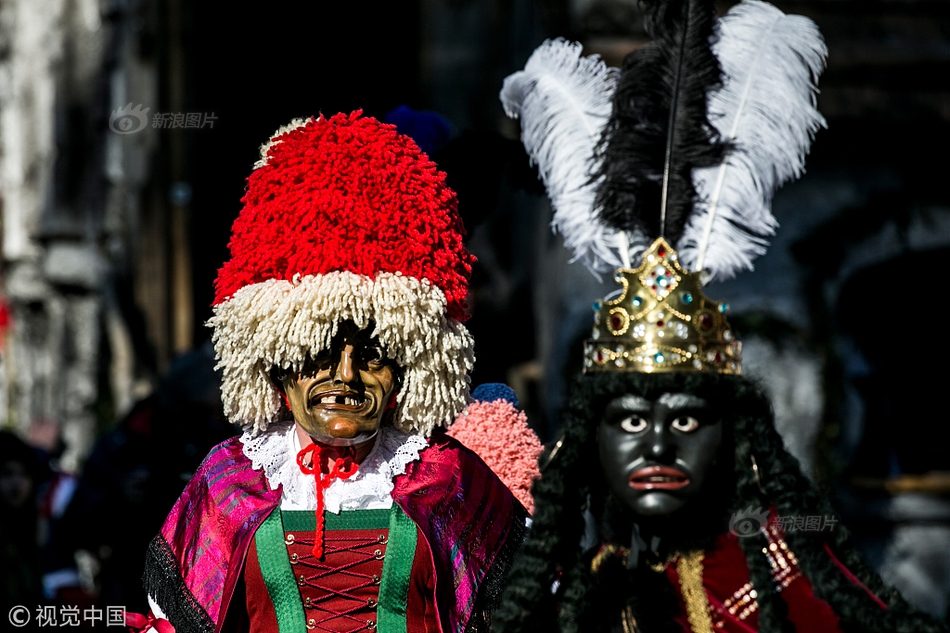
[Illustration: TARASCON: THE PROCESSION OF THE TARASQUE

_The little girl leading the monster represents Saint Martha_]

The last thing you see as the train steams away is the white stretch of the Avignon Road lying between the railway and the river, its little white houses and modern villas close-shuttered and growing indistinct in the soft southern twilight.
For centuries the 19th of June has been to the people of France a day of high festival. No one who has happened to be travelling in Normandy or Brittany--or indeed in almost any of the French provinces--about this time of the year can have failed to notice the celebration of the Fête Dieu, and many may have wondered what it was all about. It has existed so long as one of the national customs, varying in its observance in different parts of the country, and having passed through many periods of change, that a few years ago he would have been accounted a rash and uninspired prophet who would have foretold that the Republican Government might have the temerity to lay its embargo on this sacred institution. But, behold the day when the secular hand of M. Combes had stretched out into the remotest parts of fair France, and following hard upon the upsetting of monastic peace, came the prohibition of religious processions in public. The effect of this order was to limit the fête in many places to a mere perambulation of the exterior of the church, and in others the procession was confined entirely to the interior, though here and there, it would seem, the function took place just as it did generations before M. Combes and the anti-clericals arose into power.