Later in the day we passed gangs of Hun prisoners--clumsy looking fellows, with flaxen hair and blue eyes, who seemed to be thanking God every minute with smiles that they were out of danger and on our side of the line. Late in the afternoon the engine jumped the rails; we were advised to wander off to a rest-camp, the direction of which was sketchily indicated. We found some Australians with a transport-wagon and persuaded them to help us with our baggage. It had been pouring heavily, but the clouds had dispersed and a rainbow spanned the sky. I took it for a sign.
After trudging about six miles, we arrived at the camp and found that it was out of food and that all the tents were occupied. We stretched our sleeping-bags on the ground and went to bed supperless. We had had no food all day. Next morning we were told that we ought to jump an ammunition-lorry, if we wanted to get any further on our journey. Nobody seemed to want us particularly, and no one could give us the least information as to where our division was. It was another lesson, if that were needed, of our total unimportance. While we were waiting on the roadside, an Australian brigade of artillery passed by. The men's faces were dreary with fatigue; the gunners were dismounted and marched as in a trance. The harness was muddy, the steel rusty, the horses lean and discouraged. We understood that they were pulling out from an offensive in which they had received a bad cutting up. To my overstrained imagination it seemed that the men had the vision of death in their eyes.
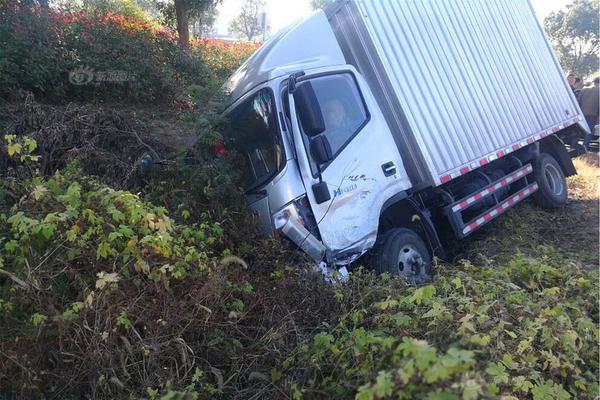
Presently we spotted a lorry-driver who had, what George Robey would call, "a kind and generous face." We took advantage of him, for once having persuaded him to give us a lift, we froze onto him and made him cart us about the country all day. We kept him kind and generous, I regret to say, by buying him wine at far too many estaminets.
Towards evening the thunder of the guns had swelled into an ominous roar. We passed through villages disfigured by shell-fire. Civilians became more rare and more aged. Cattle disappeared utterly from the landscape; fields were furrowed with abandoned trenches, in front of which hung entanglements of wire. Mounted orderlies splashed along sullen roads at an impatient trot. Here and there we came across improvised bivouacs of infantry. Far away against the horizon towards which we travelled, Hun flares and rockets were going up. Hopeless stoicism, unutterable desolation--that was my first impression.