"Feeling to its full extent the probability that I may not return from the path of duty on which I have entered--if it please God that it be so--I can say with truth I have entered on the career of danger with no ambitious aspirations, nor with the idea that I am fitted by nature or experience to be of any important service to the Government; but in obedience to the call of duty demanding every citizen to contribute what he could in means, labor, or life to sustain the government of his country; a sacrifice made, too, the more willingly by me when I consider how singularly benefited I have been by the institutions of this land, and that up to this time all the blessings of life have been showered upon me beyond what falls usually to the lot of man."]
Mrs. Barker is a lady of great refinement and high culture, the sister of the Hon. William Whiting, late Attorney-General of Massachusetts, and the wife of the Rev. Stephen Barker, during the war, Chaplain of the First Massachusetts Heavy Artillery.

This regiment was organized in July, 1861, as the Fourteenth Massachusetts Infantry (but afterwards changed as above) under the command of Colonel William B. Green, of Boston, and was immediately ordered to Fort Albany, which was then an outpost of defense guarding the Long Bridge over the Potomac, near Washington.

Having resolved to share the fortunes of this regiment in the service of its hospitals, Mrs. Barker followed it to Washington in August, and remained in that city six months before suitable quarters were arranged for her at the fort.
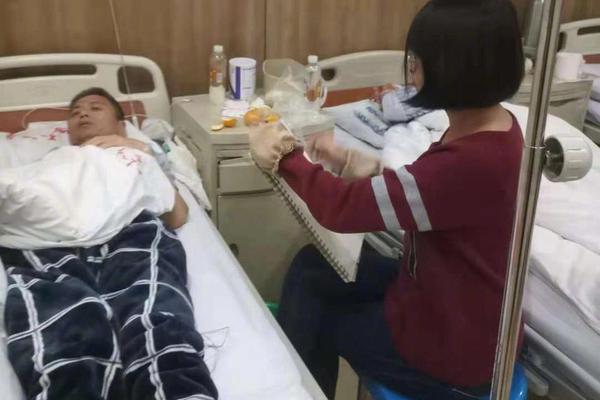
During her stay in Washington, she spent much of her time in visiting hospitals, and in ministering to their suffering inmates. Especially was this the case with the E. Street Infirmary, which was destroyed by fire in the autumn of that year. After the fire the inmates were distributed to other hospitals, except a few whose wounds would not admit of a removal. These were collected together in a small brick school-house, which stands on the corner of the lot now occupied by the Judiciary Square Hospital, and there was had the first Thanksgiving Dinner which was given in an army hospital.
After dinner, which was made as nice and home-like as possible, they played games of checkers, chess, and backgammon on some new boards presented from the supplies of the Sanitary Commission, and Mrs. Barker read aloud "The Cricket on the Hearth." This occupied all the afternoon and made the day seem so short to these poor convalescents that they all confessed afterwards that they had no idea, nor expectation that they could so enjoy a day which they had hoped to spend at home; and they always remembered and spoke of it with pleasure.