We find that between 1845 and 1875, out of a total area of 590,000 acres divided and allotted, just 1758 acres were set aside for recreation grounds, and 2195 acres for field gardens and allotments. The administration of the Act since 1877 is, therefore, a very severe condemnation of its administration in the earlier period.
We have seen in the case of Ewelme and the neighbouring parishes, how the cottagers were injured on enclosure, by losing their source of fuel, without getting any compensation. I am indebted to Mr. John Swain for the following description of the effects of enclosure of a Welsh mountain.

“The parish of ----, in the county of Montgomeryshire, is about five miles long by two miles broad. It consists for the most part of a hill, lying between a river and one of its tributaries. The hill rises to about 900 feet above sea level, and contains no unenclosed land. We have, therefore, in this parish, two strips of low-lying meadow land, land of a moderate quality on the hill slopes, and rough pasture land near the summit. On this hill most of the cottage holdings are to be found, usually in some sheltered hollow near a spring or a running stream....
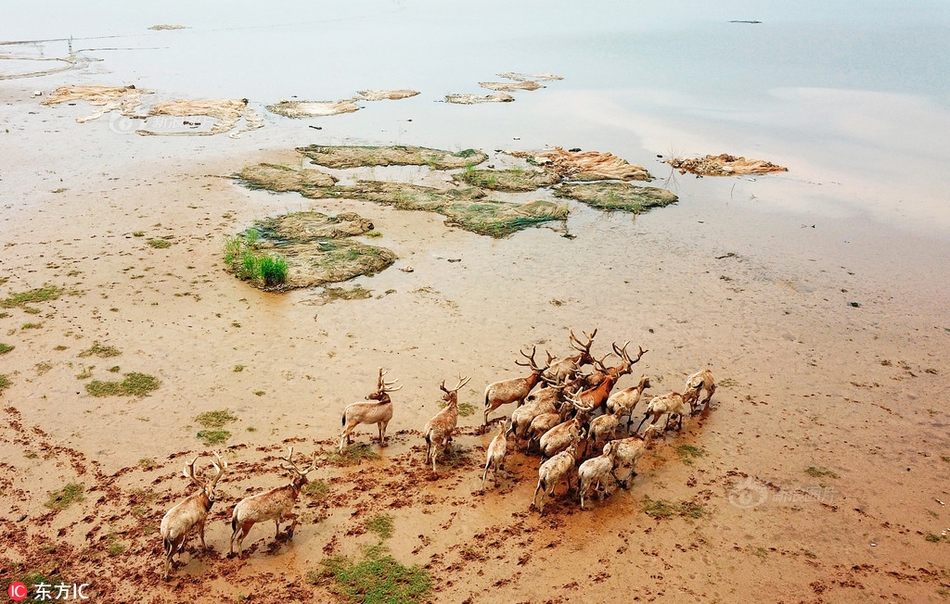
“Previous to the Enclosure Act, passed early in the nineteenth century, the greater part of the hill was open. The farms occupied the bottom lands, and the foot of the hill, up which they crept, their boundary fences forming an irregular line on the hillside, being higher or lower as the nature and quality of the land tempted enclosure. The unenclosed portion of the hill was used as a common pasture by all the farmers whose land adjoined it, and the amount of stock each one was allowed to feed on it was roughly regulated by the size of his holding.

“About 120 years ago a number of the poorer peasantry began settling on this common land. There was a general understanding that if a house was raised during the night so that the builders were able to cause smoke to issue from the chimney by sunrise, they thereby established a right of possession which none could gainsay. Timber in the neighbouring woods was abundant and cheap, so an intending squatter had little difficulty in procuring the material for building his cottage. With the help of his friends he procured sufficient wood for the framework, and then selected a convenient site in a sheltered spot with a southern aspect, and marked down the foundations of his future dwelling. When all preparations were made he gathered together all the help he could, and in the dusk of the evening had all his materials conveyed to the selected spot. Rough stonework was laid to form the foundations and chimney end of the cottage, and then the framework was quickly set up. The panels were interwoven with stout laths, and covered with clay, over which was smeared a coating of lime-plaster, while a roof of thatch completed the edifice. Windows were not for a time considered necessary, but the entrance was carefully secured by a stout door. Then just as the dawn was breaking, a fire was kindled on the hearth, and the curl of smoke above the rude chimney told the workers that they could now relax their efforts....